ADVERTISEMENT
So I agreed.
Every Friday, I transferred the money.
Every Friday, he checked his phone and nodded, as if we had finalized a business deal.
What I Paid For
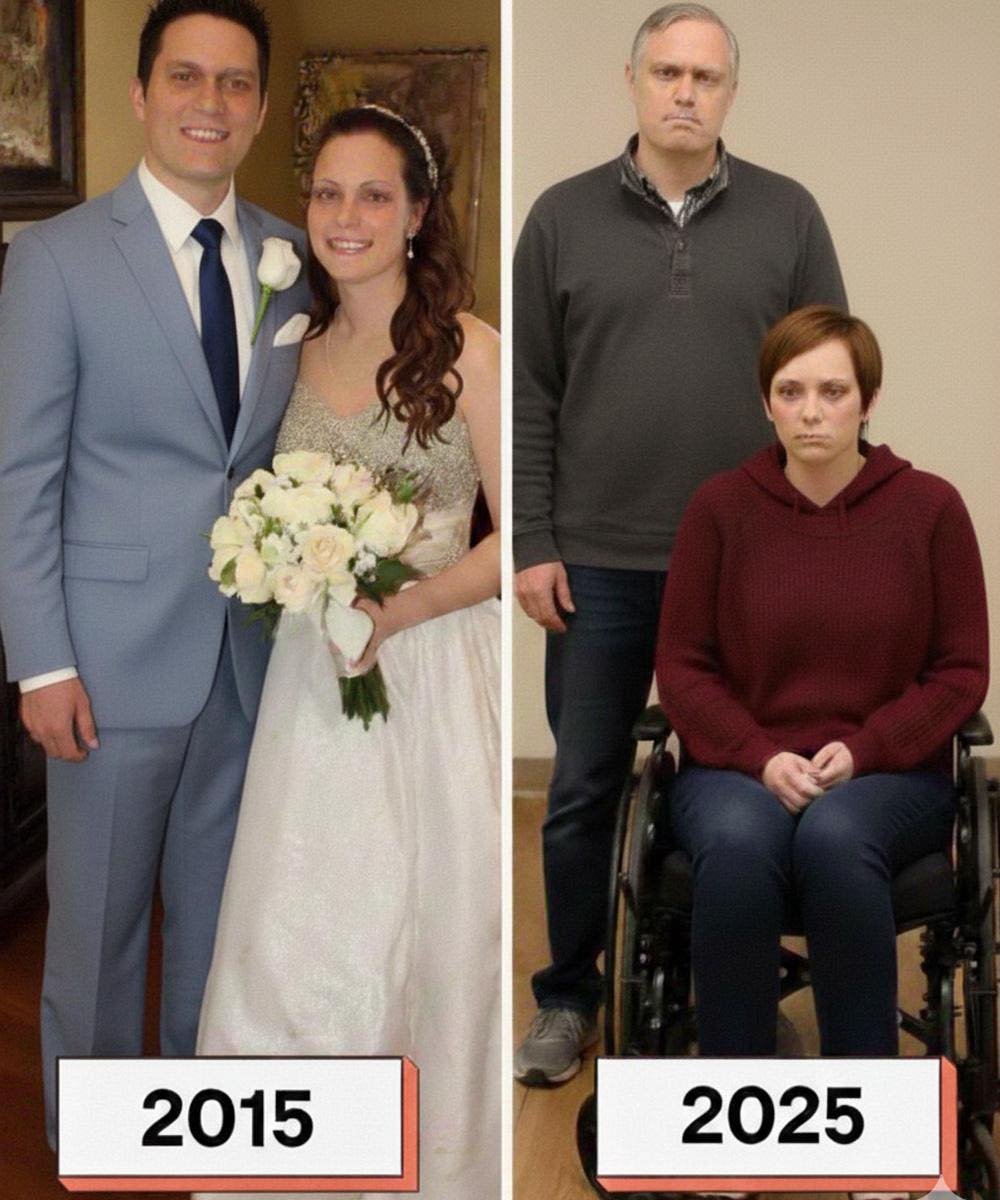
What I received in return was not care.
It was the bare minimum.
He rushed through helping me, sighing as if I were inconveniencing him.
Meals were dropped off without conversation.
I was left alone for long stretches of time.
When I asked for help, he accused me of being demanding.
I began to feel guilty for needing water.
He spent more time on his phone. He left the house often. When I asked who he was talking to, he brushed it off and reminded me he was “allowed to have a life.”
One night, I woke up thirsty. He was noThe next morning, his phone lit up while he was in the shower.
I did not go searching.
The message appeared on its own.
It was from someone I knew.
Someone I trusted.
The conversation made it clear that while I was paying my husband to care for me, he was using that money elsewhere. Laughing about it. Minimizing my condition. Treating my recovery like a burden he deserved compensation for.
I put the phone down.
When he came out, smiling and asking how I slept, I thanked him for “taking care of me.”
Something inside me had gone very still.
Quietly Taking Back Control
That afternoon, I called my sister.
She came over immediately.
I told her everything.
She was furious, then focused.
We gathered evidence. We spoke to a lawyer. We made a plan.
And I kept pretending.
I paid him every Friday.
I acted grateful.
I even thanked him for staying.
Weeks later, when everything was ready, I told him I had something special for him.
I handed him a box.
Inside were legal documents and proof he could not deny.
His reaction was panic.
Apologies.
Promises.
“I’ll take care of you without pay,” he said desperately.
I looked at him and said, “You already showed me what your care is worth.”
Choosing MyselfMy sister stepped in and told him it was time to leave.
He accused me of throwing away ten years.
I corrected him.
“You threw it away when you decided love had a price.”
After he left, my sister stayed.
She helped me patiently. Kindly. Without keeping score.
And as my body slowly regained strength, something else healed too.
I learned that real love does not invoice you when life gets hard.
It does not disappear when things become inconvenient.
And it certainly does not treat care as a favor that must be repaid.
If someone only stays when it is easy or profitable, they were never committed to you.
They were committed to what you provided.
And knowing that truth, painful as it was, gave me the strength to move forward.t in bed. I heard his voice in the other room. I pressed the call button.
Nothing.
I called his phone. It rang nearby.
ADVERTISEMENT
